What is a Headless CMS?
A beginner-friendly guide to understanding headless CMS architecture and why modern businesses use it for flexible digital experiences.
- A Headless CMS is a content management system that separates the backend where content is stored from the frontend where the content is displayed.
- Traditional CMS platforms combine content management and presentation in one system. In contrast, a headless CMS delivers content through APIs, allowing developers to use any frontend technology such as modern frameworks, mobile apps, or websites.
- This approach gives businesses more flexibility, faster performance, and the ability to deliver content across multiple platforms from a single source.
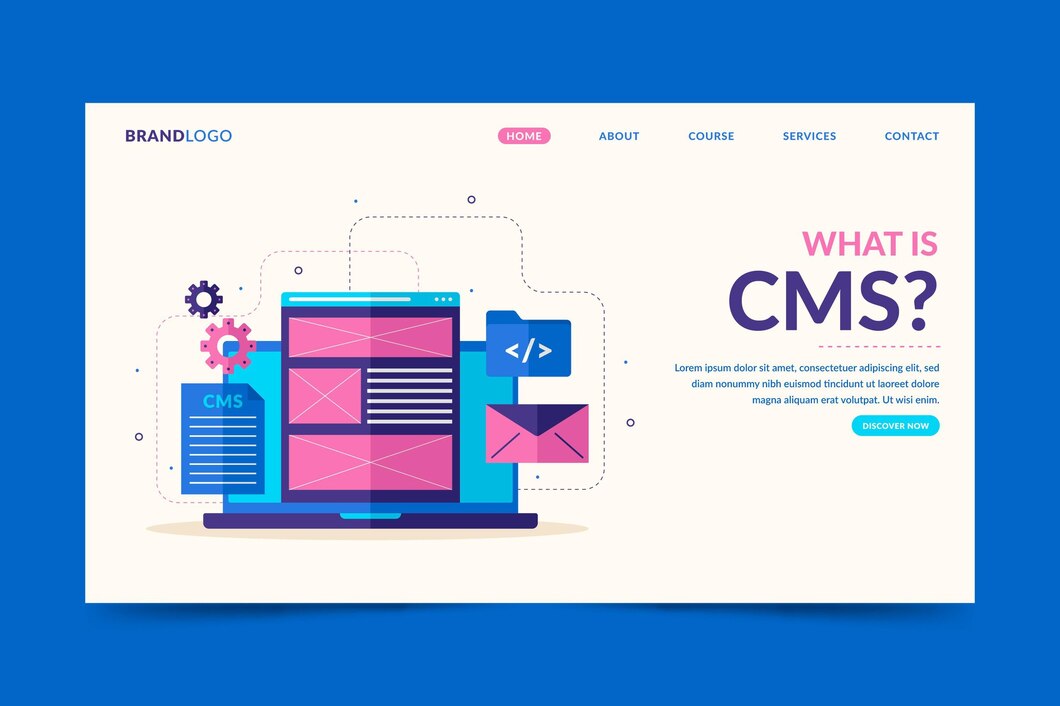
Benefits of Using a Headless CMS
1. Flexibility for Developers
Developers can use any technology stack like React, Next.js, Vue, or mobile frameworks.
2. Faster Performance
Modern frontend frameworks improve website speed and user experience.
3. Omnichannel Content Delivery
Content can be delivered to websites, apps, kiosks, and other platforms from one CMS.
4. Scalability
Headless CMS systems scale easily for large websites and growing businesses.
5. Better Security
Since the frontend is separated from the backend, the attack surface is reduced.
Headless CMS – API-First Content Delivery
Content is delivered through APIs so it can be used across websites, mobile apps, and other platforms.
How a Headless CMS Works
In a headless CMS architecture, content is created and stored in the CMS backend. Instead of rendering webpages directly, the CMS exposes the content through APIs such as REST or GraphQL.
Developers then fetch this content and display it using any frontend framework or application.
The typical workflow includes:
- Content editors create and manage content in the CMS
- The CMS stores the content in a structured format
- APIs deliver the content to different applications
- Frontend frameworks display the content to users
This makes it possible to use the same content for websites, mobile apps, smart devices, and other digital platforms.
Headless CMS vs Traditional CMS
Feature | Traditional CMS | Headless CMS |
|---|---|---|
Frontend Control | Limited | Full Control |
Technology | Fixed templates | Any framework |
Content Delivery | Web only | Multi-platform |
Performance | Moderate | High |
What is a Headless CMS?
A headless CMS is a content management system that delivers content via APIs instead of rendering webpages directly.
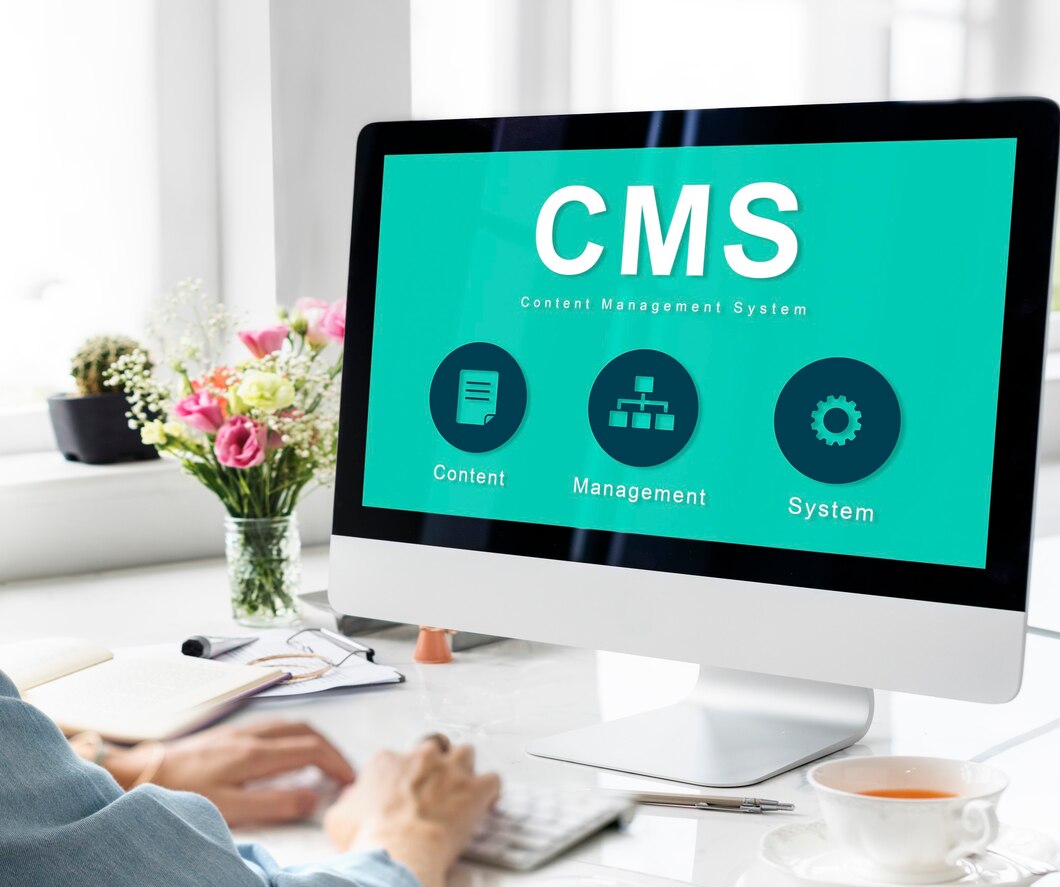
Why use a Headless CMS?
It provides flexibility, better performance, and the ability to deliver content across multiple platforms.
Is Headless CMS good for SEO?
Yes. When combined with modern frameworks like Next.js, it can significantly improve performance and SEO.
What is the difference between CMS and Headless CMS?
Traditional CMS controls both content and frontend, while headless CMS only manages content and delivers it through APIs.
Which companies use Headless CMS?
Many modern companies use headless CMS for scalable digital platforms and omnichannel content delivery.
Is Headless CMS better than WordPress?
For complex or multi-platform applications, headless CMS offers more flexibility and scalability than traditional WordPress setups.
Transform Your Ideas into Powerful Software Solutions
We deliver custom software development tailored to your business goals, helping you innovate, automate, and grow.
Need a Modern Website with Headless CMS?
Our team builds fast, scalable websites using modern frameworks and headless CMS architecture.